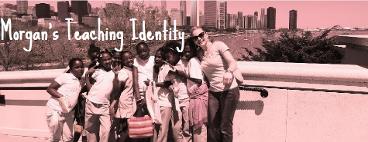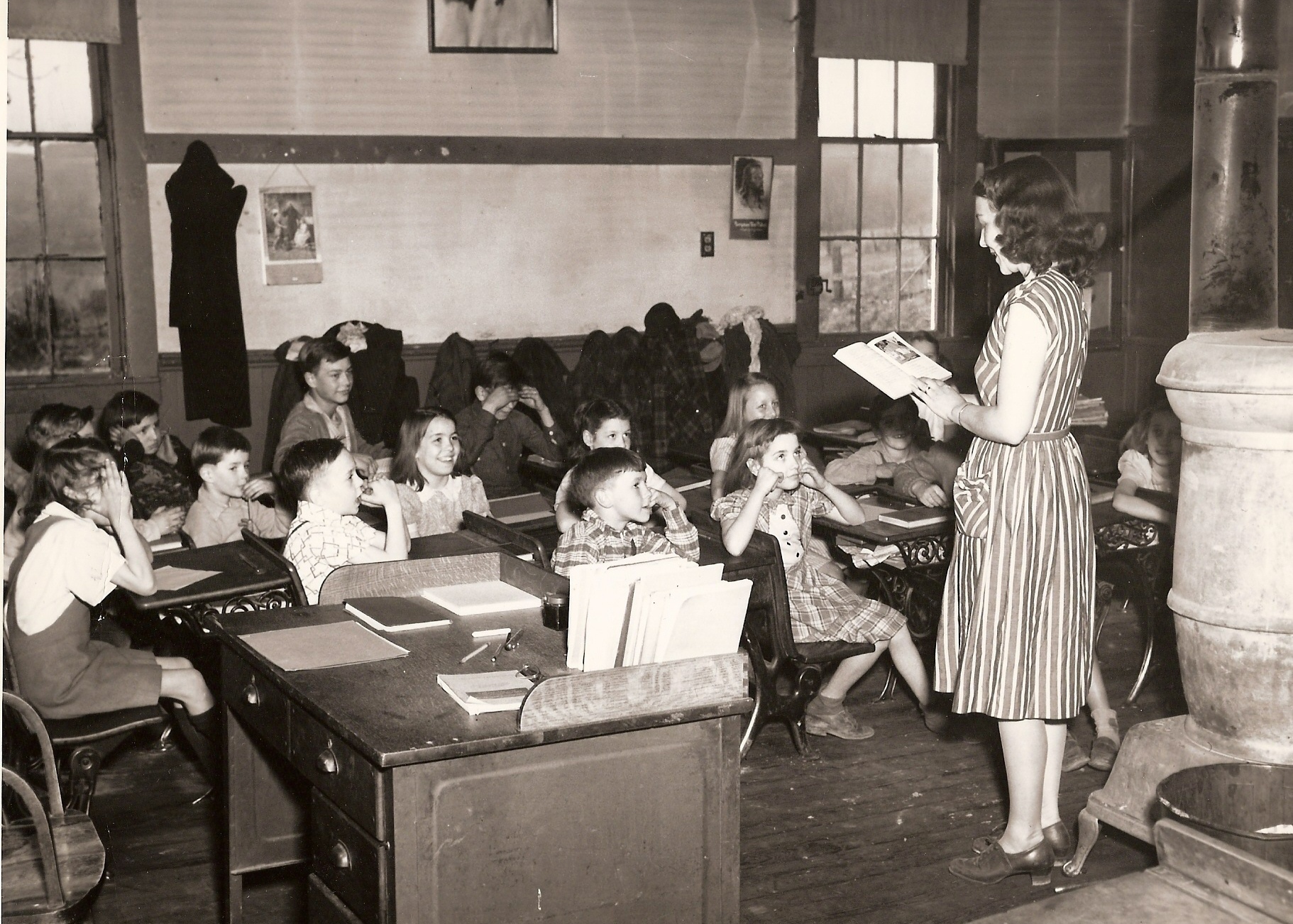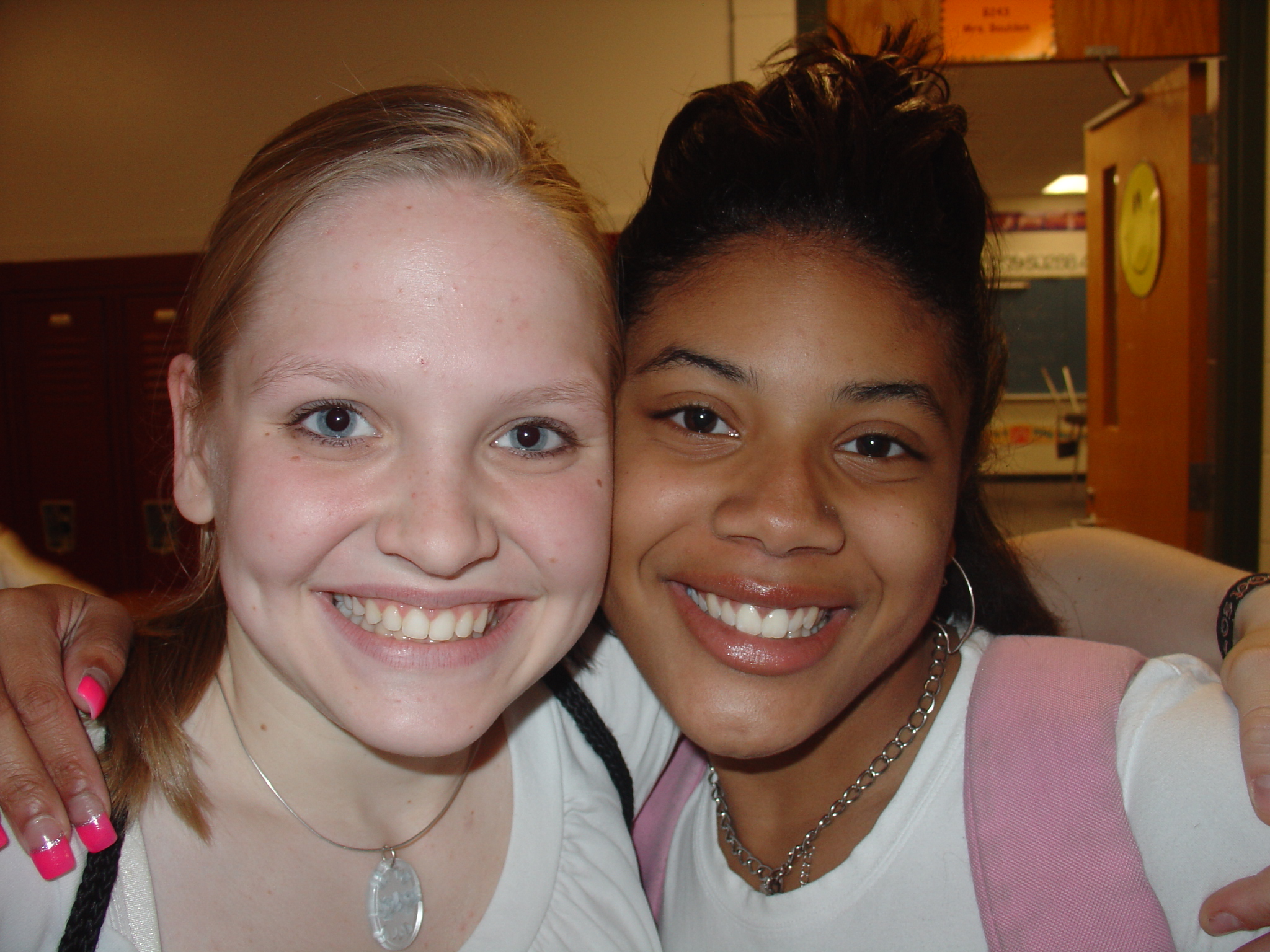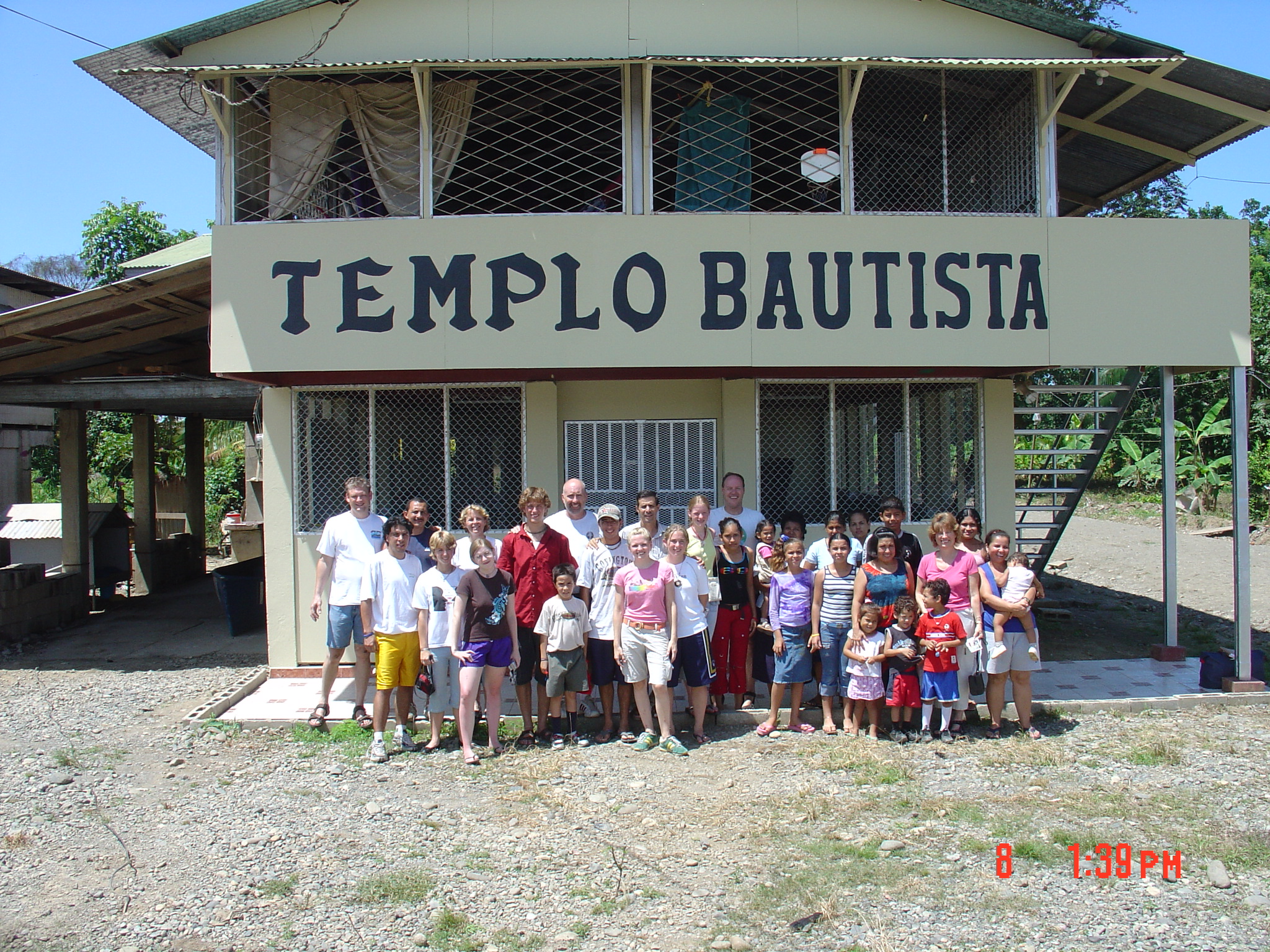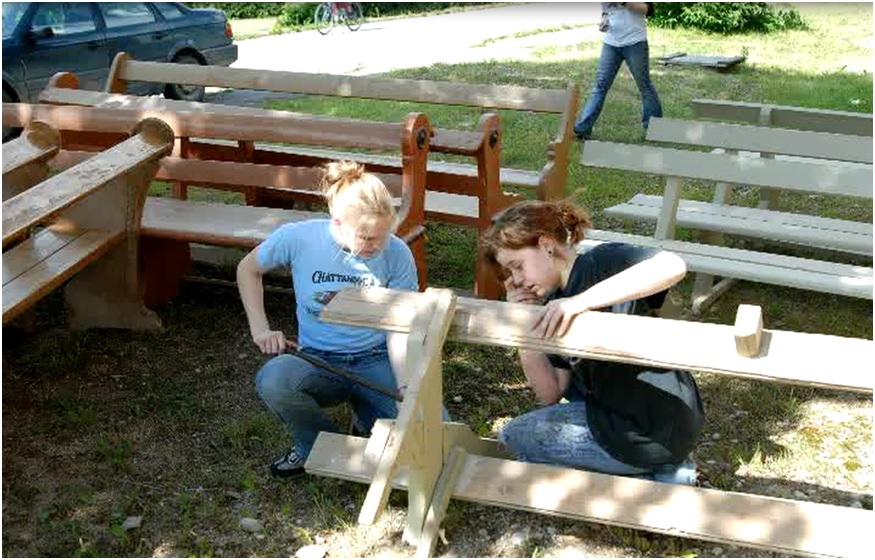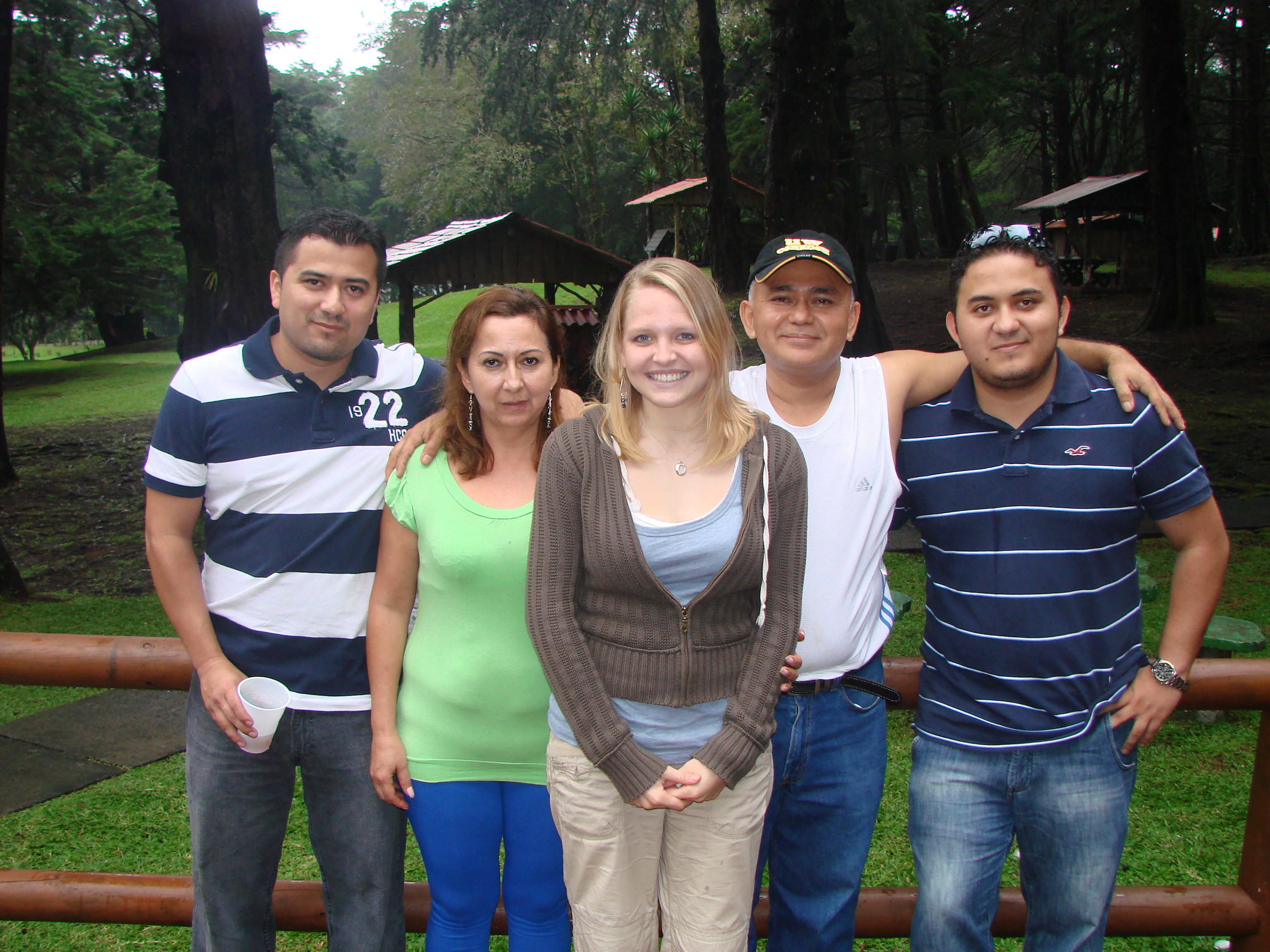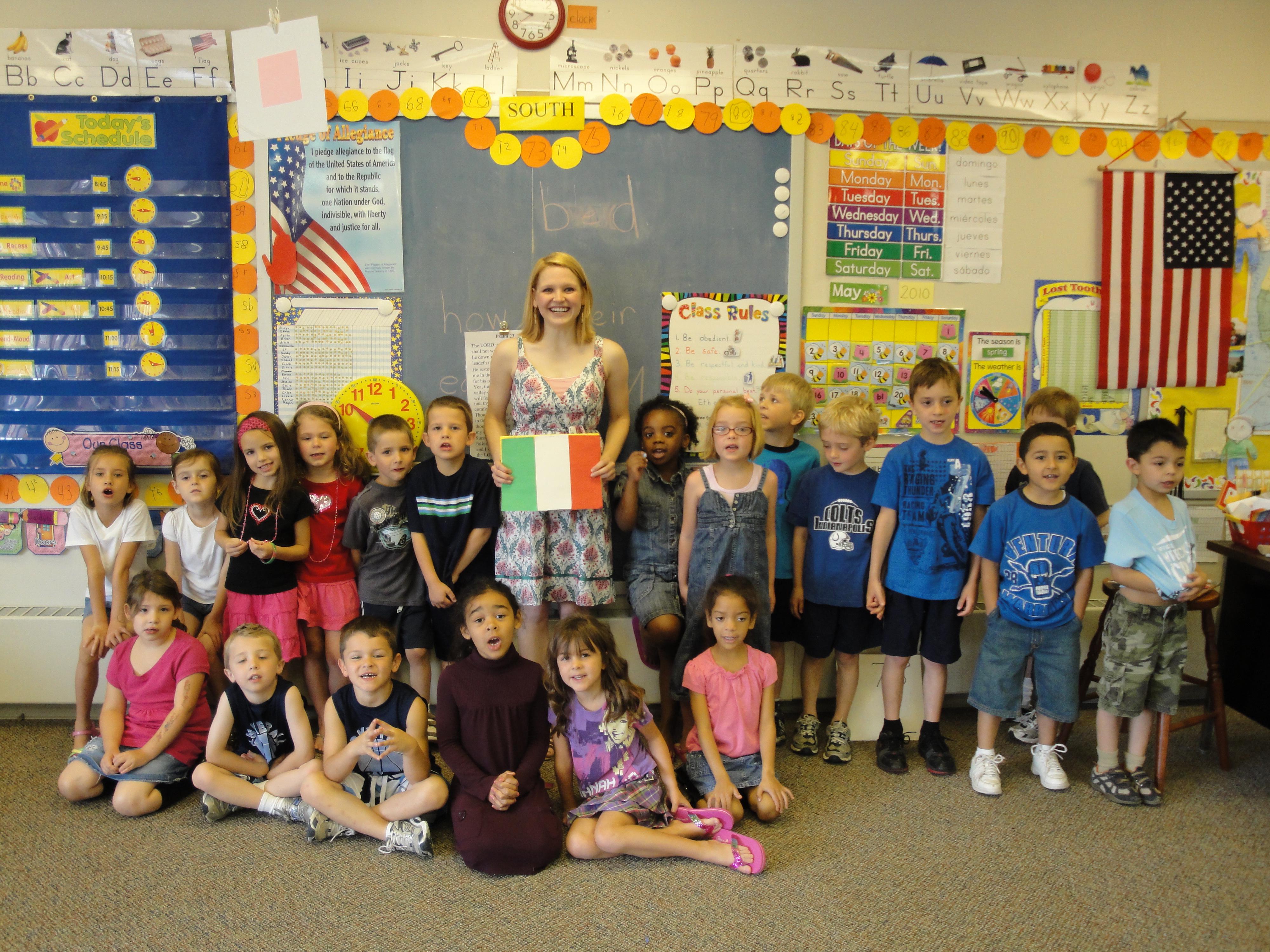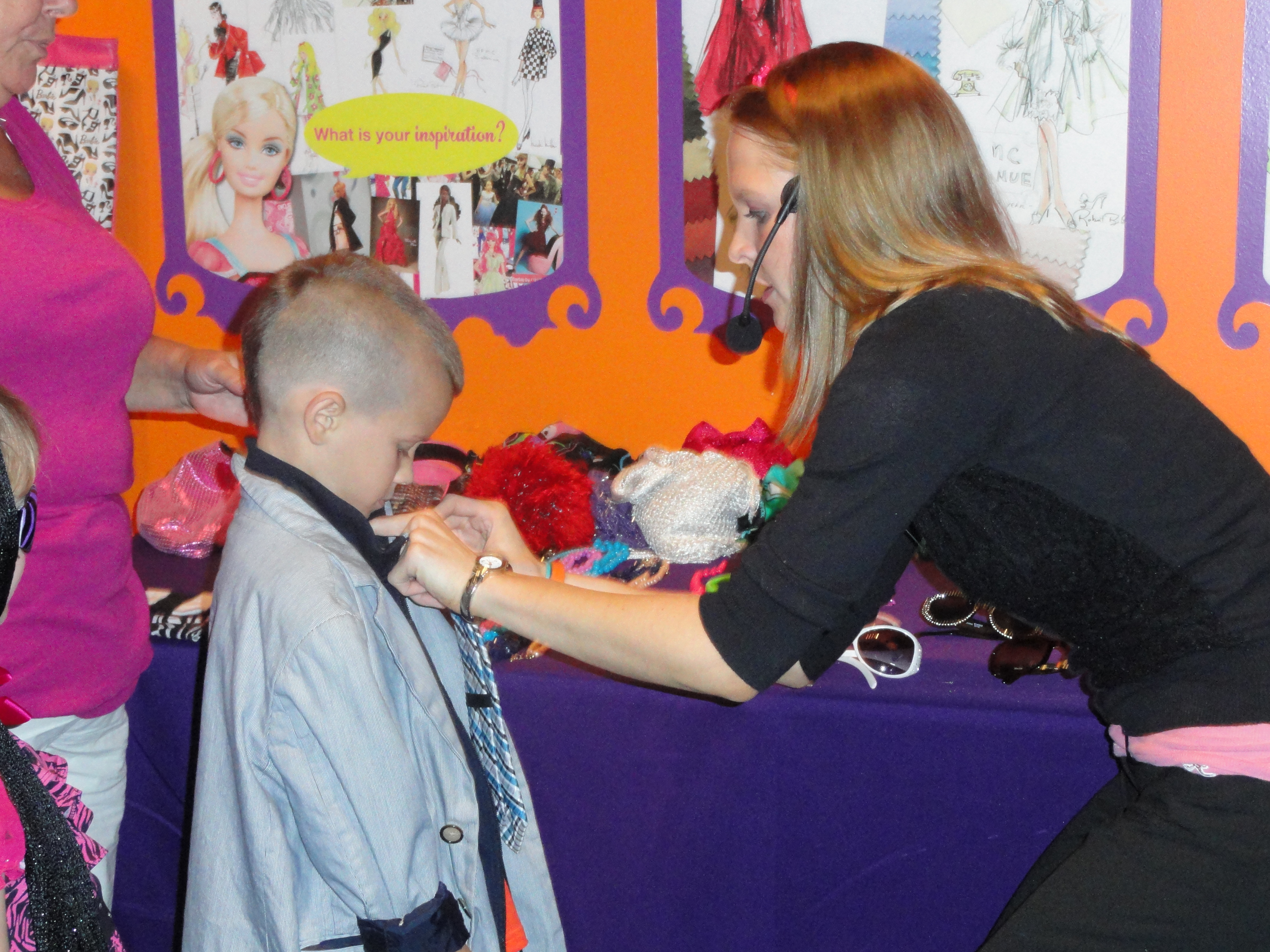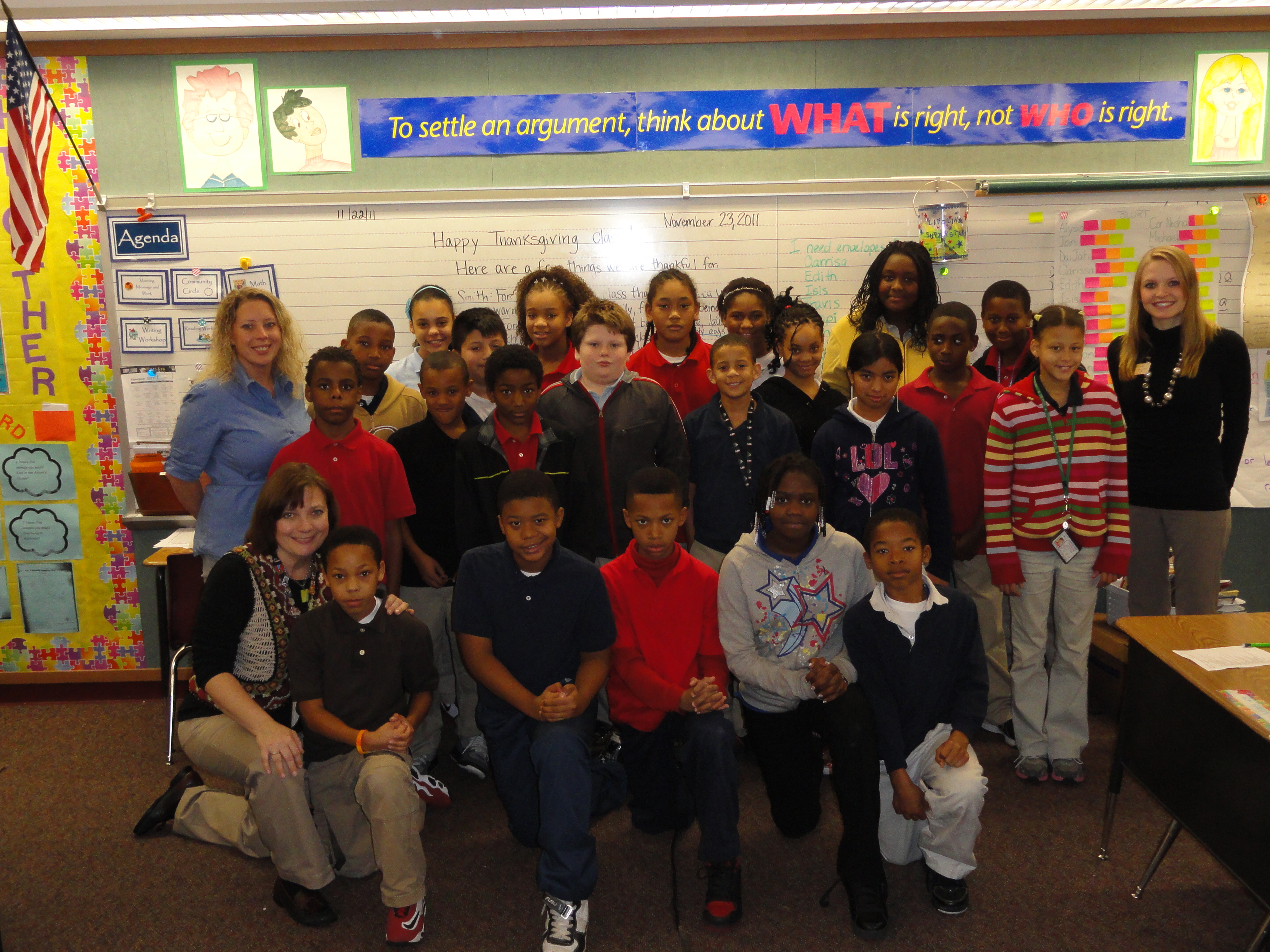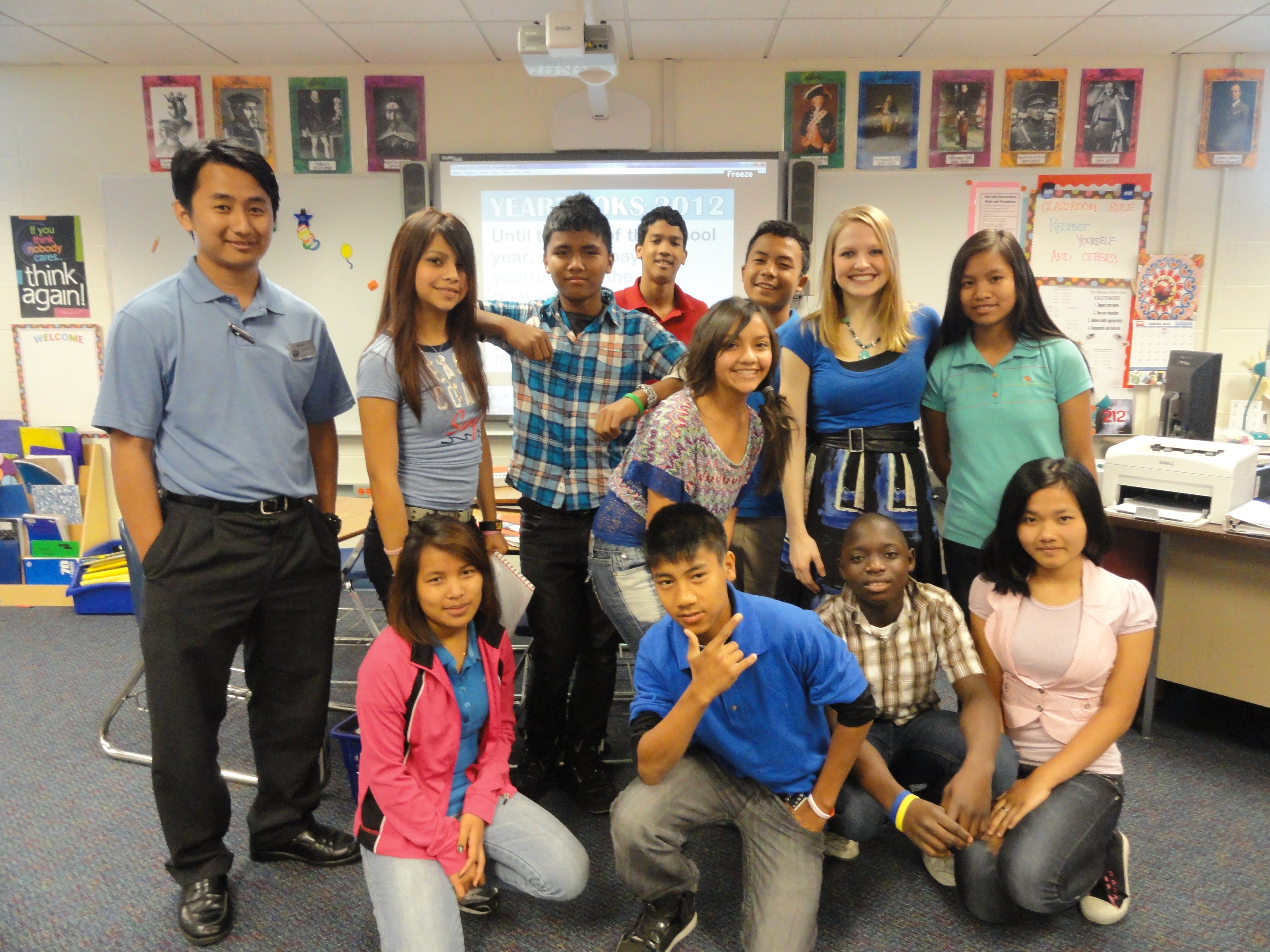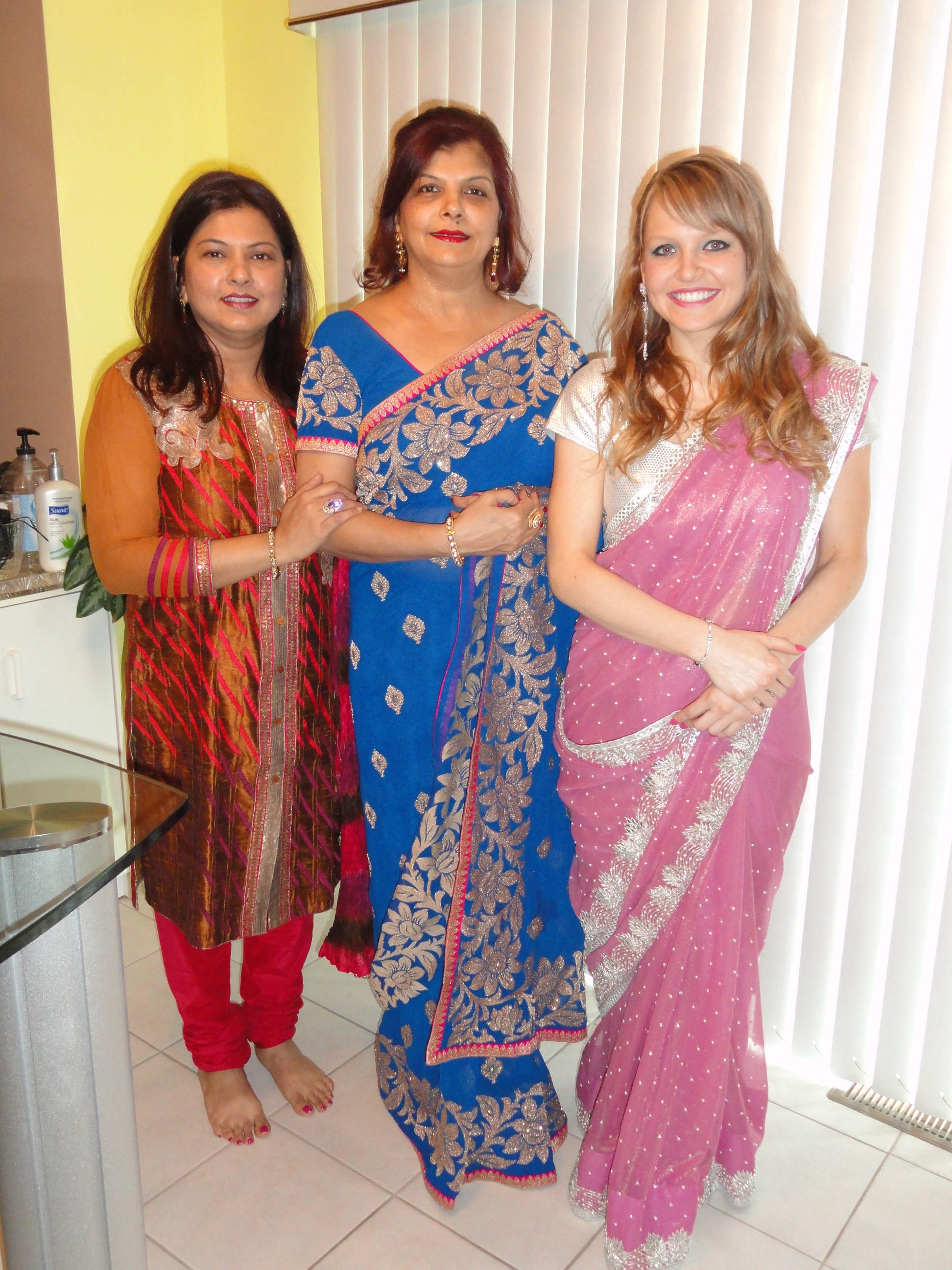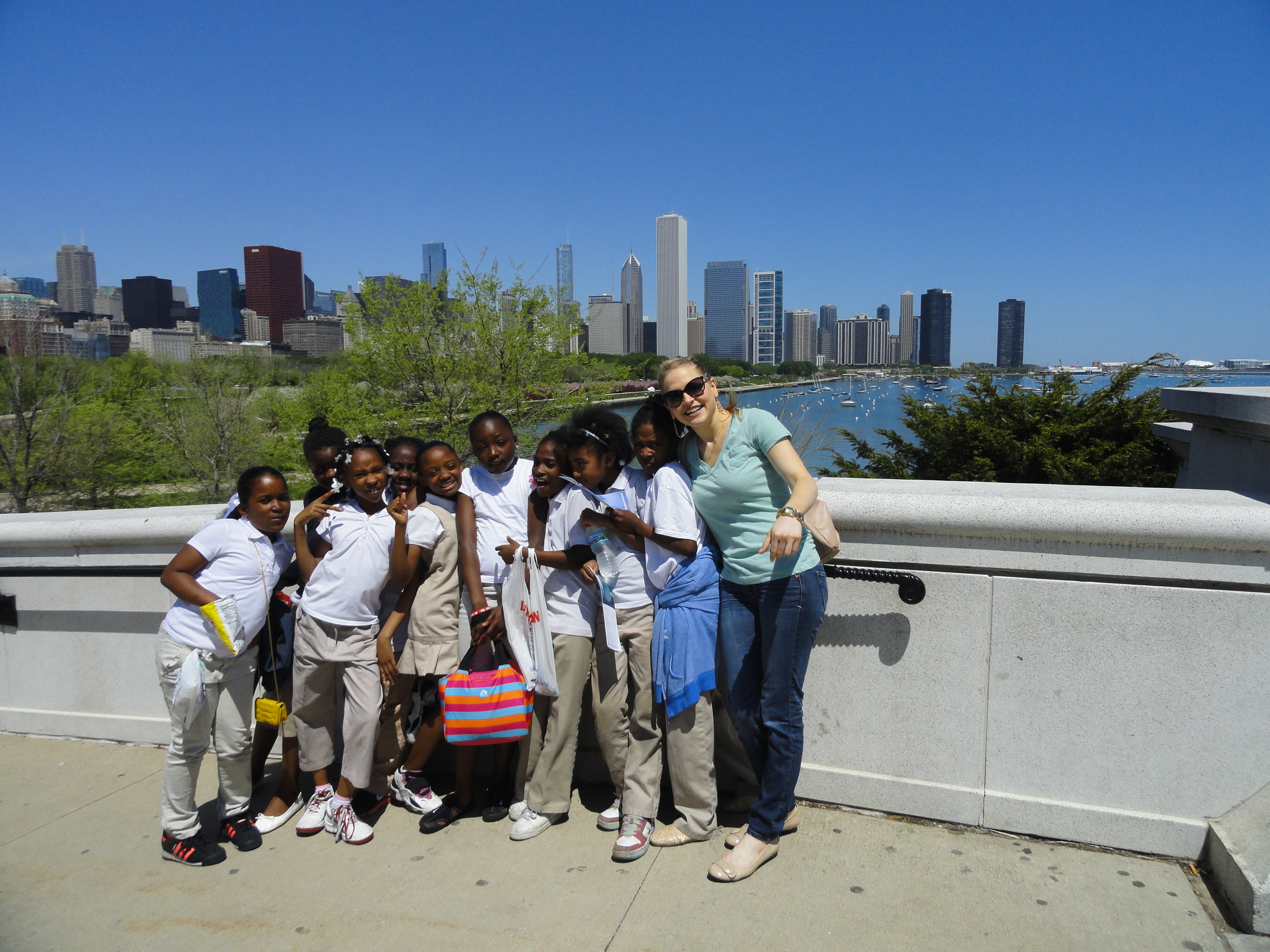
I have had anything but the typical "middle class, white, Christian, female" experience. Even though all of those adjectives do accurately describe me, they fail to explain my rich but perhaps hidden diversity. I am bilingual in Spanish and English, having lived in Costa Rica where I learned not only the language but the Costa Rican culture. I am a volunteer in both my local and global communities, performing tasks from leading Girl Scout meetings at the school I have spent the last year in, to building a church in the rural hills of Estonia. I am resilient, having dealt with hardships in my life but always learning from them. I feel fortunate to have grown up in urban Indianapolis, where I became, by necessity, a very culturally aware and globally-minded individual, as I grew up a minority in my own classrooms from kindergarten to twelfth grade. I have a passion for engaging with those who come from both similar and different backgrounds than I. Click on the photo album below to take a journey into my life and see some of the things that have contributed to my rich background, that now shapes me as an educator. |

Over the last six years that I have been studying education, I have not only learned a lot about strategies, theories, and management, but I have learned a lot about myself as an educator.
I have learned that: - I am a Progressivist, who believes that education should focus on the child, rather than soley subject matter--that students' interests are important, and that schools have the duty to help students become thoughtful, productive citizens.
- I am a Constructivist, who believes that students "actively construct their own understanding of reality through acting upon and reflecting on experiences in the world," (Cohen, 1999). In order to actively construct their own learning, students need to have the opportunity to get out of their desks, and tackle real world issues--instead of a stack of worksheets.
- I am a Humanist, who believes that "students learn from the perspective of the human potential for growth, becoming the best that they can be--that people are inherently good and will strive to make the world a better place, that people are free to act but must be responsible, and that behavior is the consequence of human choice," (Cohen, 1999).
Above all, I believe that all students possess unlimited potential for growth and development if they are nurtured and encouraged. With that said, in order to help my unique group of diverse student learners reach their highest potential for growth, I always have to keep in mind the unique needs that students in urban schools face. When some students are facing extreme poverty, inadequate healthcare, unsafe living conditions, poor nutrition, and other hurdles to get over, to some it may feel that classroom work should be last on the list of things to do. What these students need are high expectations and rigorous curriculum. Urban students do not need to be coddled, or pitied--in fact it is this very mentality that continues to increase the achievement gap ( Blanchett, 2006).
I am excited to push my urban students to becoming the best they can be through a rigorous curriculum full of rich learning experiences, and high levels of academic, emotional, and moral support. Doing this means continually reflecting on my own biases, spending time examining my own whiteness, and being a color conscious White teacher.
|
| 
I began keeping a blog near the end of the year to compile my thoughts and reflections about my own teaching identity, educational policy reforms that I am passionate about, as well as my plans for the future. Below are brief synopses of each blog post with a link to each post above. To view the blog in it's entirety, click the photo below.
I reflect on my own whiteness, and what it means to be a culturally relevant educator by pushing my students academically through culturally relevant, and rigorous curriculum. |
I examine how my own culture and privileges impact the way that I teach. I examine my own personal biases, and how to address potential barriers in the classroom and surrounding school community as a result of my skin color. |
I discuss which beliefs, values, and ideas shape my work as a teacher. Specifically, I talk about the implications that poverty plays on classroom learning, and how by recognizing students' vast funds of knowledge, we can increase student success. |
I consider the many ways that I can build relationships with my students, their families, and the surrounding community. I examine the benefits, and tackle possible limitations and how to remedy those barriers. |
I acknowledge that there are certain policies that need to be reformed. In this post, I discuss how I can be an advocate for these educational policies. |
I pinpoint several ways and specific steps in which I can begin to take action in the larger conversation of education reform. |
|
| |
I identify ways to help get others involved in taking action for educational policies and issues. Whether it is students, parents, or community members, all should have a voice when it comes to education.
| |
|
My yearlong teaching residency has prepared me to be
an effective urban teacher. Through the
Academy for Urban School Leadership, I both observed and implemented best
teaching and management practices. In my
one year residency I . . . - Differentiated instruction for a diverse group of 3rd
grade readers, mathematicians, authors, and scientists
- Successfully
implemented Lemov’s Signature Strategies and the Behavior Management Cycle
daily
- Volunteered with
the Howe School of Excellence Girl Scout troop
- Created detailed,
intricate, and interactive bulletin boards and hallway decorations to
proudly showcase student work.
- Used daily data
to inform planning and instruction by implementing daily do-nows and exit
tickets
- Participated in
data cluster meetings every week
To see more of the experiences that have shaped me as an urban educator, please click on the link below to view my resume. |
|